Choose Deck Installation Austin for Composite Decking
Deck Installation: What to Know About Professional Deck Builder Services
When exploring the services of a skilled deck contractor, customers can look forward to a well-organized approach to reimagining their outdoor living environments. From the opening discussion to the concluding steps, every stage is intended to secure adherence to local standards and quality. Being aware of what lies ahead can streamline the process and improve overall results. However, clients frequently feel uncertain about what is expected of them throughout this journey. What should homeowners be aware of before embarking on this venture?
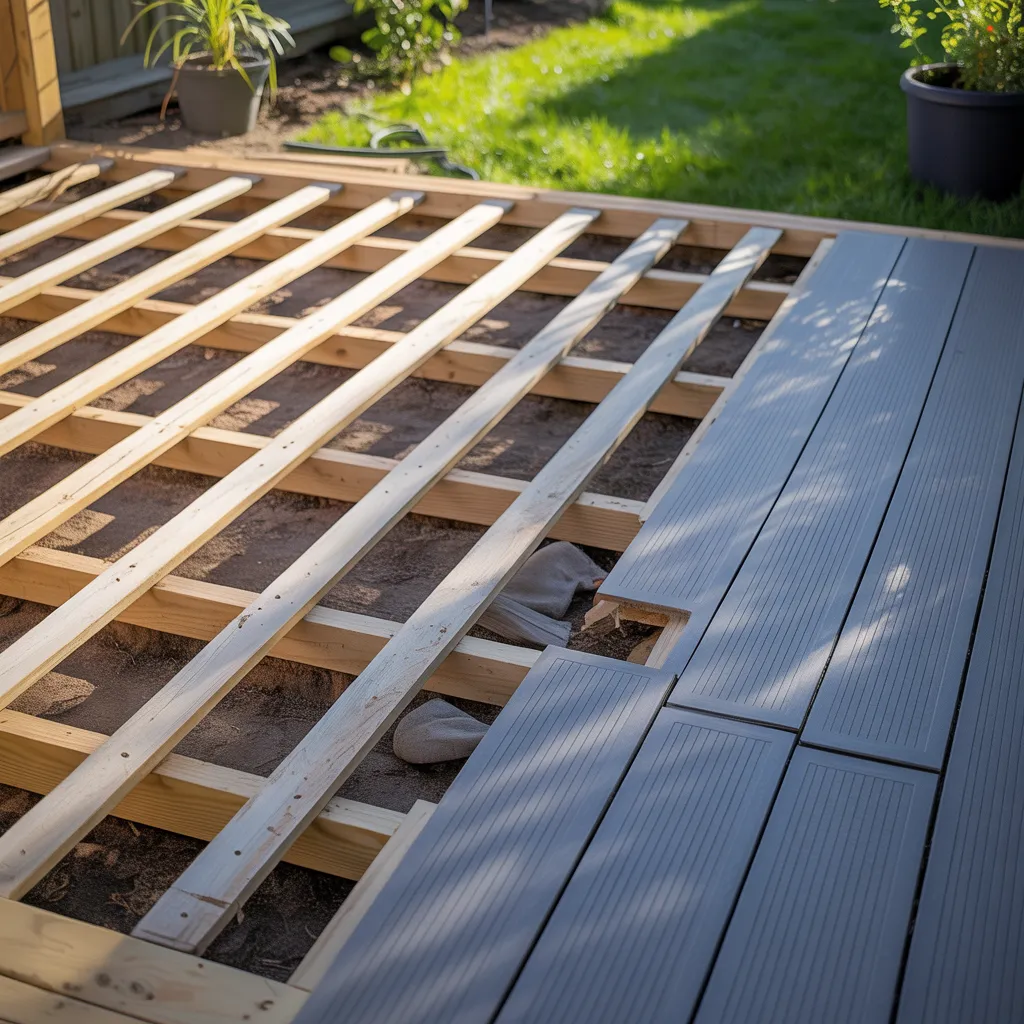
Understanding the Role of a Professional Deck Builder
A proficient deck construction expert plays an essential role in revitalizing exterior living areas. Their skill set spans material selection, design, and construction, guaranteeing that each undertaking fulfills the homeowner's vision and local regulations. By examining the unique characteristics of a residence, they can recommend ideal design choices that enhance aesthetic appeal and functionality.
These experts excel at overseeing the complete construction process, working closely with suppliers, and meeting project deadlines. They demonstrate a thorough understanding of various materials, spanning wood to composite materials, equipping them to counsel clients on material durability and ongoing maintenance.
Furthermore, a skilled deck builder secures structural stability, applying safety measures that adhere to local building codes. Their professional background prevents typical errors, guaranteeing a streamlined construction process and a favorable end result. At the end of the day, a professional deck builder not only develops useful outdoor environments but also brings significant benefit to a residence through deliberate design and exceptional craftsmanship.
What to Expect in Your Initial Consultation
During the initial consultation, clients will experience a thorough discussion of their project goals, allowing the builder to understand their vision. In addition, preferences regarding design elements will be explored to ensure a match between the client's expectations and the builder's capabilities. This foundational meeting sets the stage for a successful deck-building process.
Project Objectives Overview
When customers participate in a preliminary consultation for deck construction services, they can expect a thorough discussion intended to establish the goals and preferences of the project. This conversation typically begins with clients describing their vision for the deck, including planned purposes such as entertaining or unwinding. Professionals will inquire about particular features, preferred materials, and financial limitations. Furthermore, they will often cover relevant local codes or property factors that may affect the project. Through carefully attending to the clients' needs and desires, the builder can guarantee alignment between the planned work and the client's goals. Defining these fundamental goals is critical for an effective collaboration, which shapes the design and construction phases that follow.
Exploring Design Preferences
How can clients effectively communicate their design preferences during the initial consultation for deck building services? useful resource Clients are encouraged to arrive with ideas, sketches, or photos that capture their vision for the deck. Discussing particular styles—like modern, rustic, or traditional—allows builders to better grasp the client's aesthetic preferences. It is equally important to talk about how the deck will be used, such as for entertaining, relaxation, or family gatherings. Taking into account materials, colors, and features such as railings or lighting is essential, as these factors significantly shape the final design. Open dialogue is essential; asking questions and being receptive to the builder's suggestions can lead to a more tailored outcome. Such a team-oriented approach confirms that both parties share a unified vision and a clear understanding of the project's practical requirements.
What Role Should You Play in the Deck Building Process?
What role should one assume in the deck building process? A homeowner should take an active yet collaborative stance, engaging with professional builders while openly expressing requirements and desires. This engagement confirms that the completed structure aligns with personal vision and practical requirements.
To begin, residents should assemble ideas and build a list of desired features, including form, materials, and purpose. This approach provides builders with a structured outline for design consultations.
Next, it is important to be open to professional advice. Builders often bring important knowledge regarding structural integrity, local regulations, and cost-effectiveness.
To begin with, it is important for homeowners to create a budget and timeline from the outset, facilitating transparent communication and setting realistic expectations. By balancing their vision with expert guidance, homeowners can play a pivotal role in designing a deck that elevates their outdoor living space.
How to Convert Your Design Concepts Into Reality
Transforming design concepts into reality requires a strategic approach that bridges imagination and execution. Initially, it is essential to clarify the vision, guaranteeing that all design elements align with the homeowner's desires. Professional deck builders often recommend creating detailed sketches or using 3D modeling software to visualize the final product accurately.
Furthermore, setting a reasonable timeline and budget is critical. During this stage, it is important to discuss discussing anticipated hurdles, such as site conditions or local regulations, with the builder to identify and address any concerns. Maintaining open communication is vital; consistent progress reports and meetings help maintain the project's direction toward the primary goals.
Finally, hiring an expert deck construction specialist who recognizes the intricacies of implementing designs assures that the shift from design to build is smooth. Through these methods, households can successfully oversee the evolution of their creative concepts into a stunning, functional outdoor living environment.
How to Select the Best Materials for Your Deck
Selecting the right options for a deck involves close examination of various options, including wooden and composite options. Each choice provides notable advantages, particularly in terms of aesthetics and durability. Additionally, recognizing weather resistance is critical for ensuring lasting durability in diverse environmental conditions.
Wood and Composite Options Compared
Selecting the most suitable materials for a deck can considerably impact its durability, maintenance, and aesthetic appeal. Property owners often face the choice between classic wood and modern composite options. Natural wood, widely preferred for its organic appeal and warmth, provides a traditional aesthetic but demands consistent upkeep, including sealing and staining. In contrast, composite decking, crafted from a mixture of wood fibers and plastic, provides a reduced-maintenance solution that withstands fading and splintering. Although it may require a greater upfront investment, composite options tend to offer superior durability in the long run. Ultimately, the selection depends on personal priorities, budget constraints, and future maintenance expectations, influencing the total satisfaction achieved with the final deck.
Weather Resistance Factors
When considering deck materials, weather resistance is an essential factor that significantly impacts longevity and performance. Choosing the right materials can protect against damage caused by moisture, UV rays, and temperature fluctuations. For instance, composite decking often features advanced technology to resist fading and warping, making it well-suited to varied climates. Pressure-treated wood is also available, but it requires regular maintenance to combat rot and insects. Furthermore, tropical hardwoods, recognized for their natural oils, provide exceptional resistance to weather but tend to be more expensive. At the end of the day, assessing the regional climate and examining the characteristics of various materials aids in identifying a deck that withstands weather conditions, providing a resilient and beautiful outdoor space for years to come.
Construction Schedule: What to Anticipate
How much time does a standard deck construction project require? The duration of a deck construction project can fluctuate greatly based on multiple factors, including design complexity, material choice, and weather conditions. In most cases, a basic deck installation will require anywhere from one to three weeks. This timeframe encompasses several phases, beginning with the preliminary consultation and design sign-off, then progressing to site preparation and sourcing of materials.
When the essential permits are in place, construction begins. This stage encompasses framing, decking installation, and finishing touches, such as railings and stairs. Each step requires meticulous attention to detail and can be affected by unexpected setbacks, such as inclement weather or supply chain issues. Homeowners should anticipate consistent updates from their deck contractors to keep track of project developments and possible timeline changes. In summary, being aware of the construction schedule assists in establishing reasonable expectations for homeowners starting on a deck-building project.
Top Deck Building Challenges and How to Overcome Them
Constructing a deck introduces several challenges that can challenge even the most skilled contractors. Among these, ground preparation commonly stands as a substantial hurdle. Uneven terrain or inadequate water drainage can hinder the installation process. Contractors can overcome this by performing comprehensive assessments and applying proper leveling methods.
A frequent obstacle involves choosing the appropriate materials. Given the wide range of choices on the market, finding the right balance between appearance, budget, and longevity is essential. Experts can address this challenge by offering clients thorough breakdowns of materials appropriate for particular settings.
Weather patterns can also create considerable challenges, as unforeseen precipitation or severe temperature changes can set projects back. To address this, planning for flexible timelines and keeping a close eye on forecasts is essential.
Lastly, following local building codes and regulations can be intimidating. Remaining current with these requirements and collaborating with regulatory bodies can expedite the review process, securing conformity and efficient project delivery.
Deck Builder-Recommended Maintenance Tips for Longevity
A well-built deck is merely the starting point for preserving a gorgeous outdoor living space. Routine upkeep is crucial for durability and visual appeal. Deck builders recommend routine inspections, focusing on loose boards, rusted screws, or signs of rot. Cleaning the deck at least twice a year is vital; utilizing a light detergent and a gentle scrub brush can ward off debris buildup and fungal growth.
Using a weather-resistant sealant periodically helps guard against moisture and UV damage, preserving the wood's integrity. Throughout the fall season, it's recommended to remove leaves and debris to reduce moisture retention and the risk of rot.
In addition, homeowners should guarantee sufficient drainage around the outdoor deck to prevent water pooling. If the decking surface is coated with paint or stain, renewing these treatments can improve both visual appeal and structural integrity. By applying these guidelines, homeowners can benefit from their decks for numerous years, maximizing their outdoor enjoyment and investment.

Questions We Are Often Asked
How Much Does a Professional Deck Building Service Typically Cost?
A professional decking service typically costs anywhere from $15 to $35 per square foot, based on materials, design complexity, and location. Additional expenses may arise from permits and custom features, impacting the total cost.
What Permits Are Needed for Deck Construction?
Generally, permits required for deck construction encompass inspections, building permits, and zoning approvals, depending on the location. Homeowners should consult their local regulations to guarantee compliance and prevent unnecessary fines or project delays during the construction process.
Is It Possible to Make Changes During the Construction Process?
Changes can often be made during the building process, but they may necessitate sign-off from the contractor. Modifications might affect timelines, costs, and materials, so transparent discussion with the builder is essential for a successful adjustment.
Are Warranties Offered by Deck Builders on Their Work?
Many deck builders provide warranties on their projects, providing coverage for defects in materials and craftsmanship. Such warranties often differ in length and scope, so it is important for property owners to verify the terms before construction begins.
What Is the Lifespan of My Deck With Proper Maintenance?
With the right upkeep, a well-built deck can last between 15 and 25 years. Routine inspections, cleaning, and sealing are critical to preserve its longevity, maintaining structural integrity and visual appeal throughout its use.